Europe Nook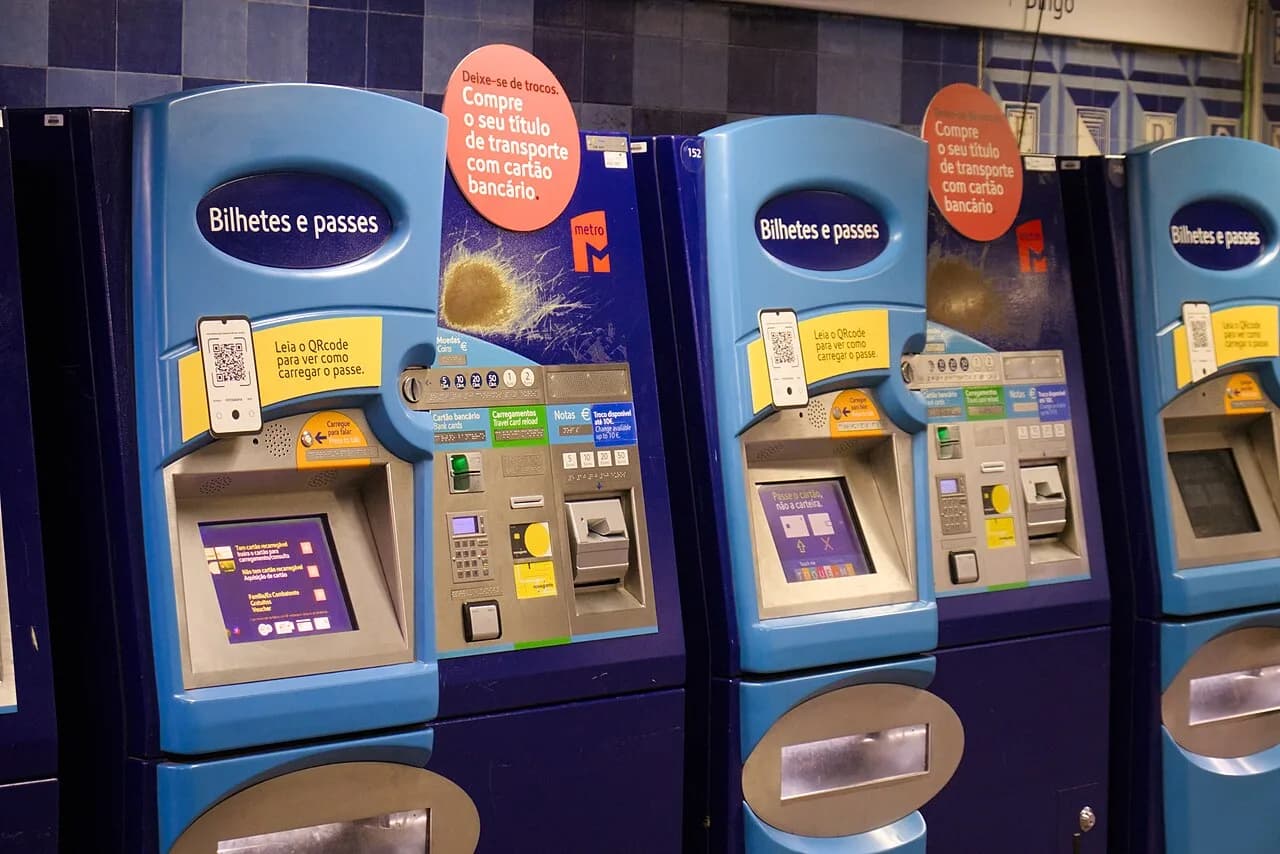
Last updated September 2026, this guide breaks down Lisbon metro tickets so you can pick the right fare before you reach the gates. Fares range from a single €1.90 ticket to a €7.25 combined day pass, plus zapping credit and contactless bank card taps that skip the ticket machine entirely. Validate whichever option you choose at the entry gates every time, and again on exit, since Lisbon's metro runs a closed-gate system.
Featured image: Patrycja Rosa (ptrcnull), CC BY 4.0, via Wikimedia Commons. Resized and converted to WebP.
Lisbon Metro Tickets: The Quick Answer
Tapping a contactless bank card at the gate is the fastest way to ride today. Each ride costs €1.92, with no ticket purchase required. For multiple rides, reusable Navegante card options usually cost less per trip:
- Single ticket: €1.90 for combined Carris and Metro transfers within 60 minutes
- Zapping pay-as-you-go credit: €1.72 per metro journey
- 24-hour Carris/Metro pass: €7.25 for unlimited travel for 24 hours after first validation

Metro Ticket Types and Fares Compared
Metro Lisboa prices four main ways to pay, according to the operator's buy page, and the table below compares them side by side. Every fare works the same way at any of the network's stations, so the choice comes down to trip length rather than location. Two more 24-hour combinations exist for specific routes. A Carris/Metro/Transtejo pass costs €10.35 and adds the Cacilhas ferry crossing across the Tagus. A Carris/Metro/CP pass costs €11.40 and covers CP's Sintra, Cascais, Azambuja and Sado line trains. Check the CP Lisbon trains page for current timetables on those lines. For station-by-station departure points, see the Lisbon train stations guide. Carris runs the bus and tram network referenced in these combined tickets, separate from the CP trains covered by the pricier pass. Zapping credit works differently across operators: switching from metro to bus or tram deducts a second, separate fare from your balance. The single ticket's 60-minute window covers a metro-to-bus or metro-to-tram change, but it does not restart if you re-enter the metro itself. Coverage on the standard 24-hour pass extends to Carris trams, including the Tram 28 route. It also covers the Tram 12 route through Alfama. City buses are covered too; see the Lisbon bus station guide for hub departures. In the Alfama, Baixa and Chiado districts, walking between nearby stops is often faster than riding the metro. The self-guided walking route maps those connections on foot.
| Ticket type | Price | Coverage | Best for |
|---|---|---|---|
| Single Carris/Metro ticket | €1.90 | Unlimited Carris + Metro transfers for 60 minutes after first validation; not valid for two consecutive Metro-only rides | One or two rides in a day |
| 24-hour Carris/Metro pass | €7.25 | Unlimited Carris bus, tram and Metro travel for 24 hours after first validation | Four paid €1.90 singles, or five €1.72 zapping journeys, within 24 hours |
| Zapping pay-as-you-go credit | €1.72 per metro ride | Deducted from a €3–€40 prepaid balance on a Navegante card; separate fare per operator switch | Multi-day stays mixing operators |
| Contactless bank card tap | €1.92 per ride | No pre-purchase; tap Visa, VPAY, Electron or Mastercard at the gate | Short visits or a single airport transfer |

How to Buy: Machines, Navegante Card and Contactless Payment
Buying a ticket takes one stop at a station before your first ride. Several purchase points work equally well, shown in the list below. Setting up a reusable card takes three quick steps. First, select the new-card option on a ticket machine screen and pay the card fee. The 2026 Carris fare sheet lists the occasional card at €0.50. Check the selected product and amount on-screen before paying. Next, load a single ticket, a 24-hour pass, or zapping credit onto the card. Finally, tap the card at the gate to enter, and tap again to exit, since both taps validate the journey. Current signage calls this card Navegante, while older references and some guides still say Viva Viagem. Both names describe the same electronic travel card used across Lisbon's public transport network. Two card types exist. An occasional Navegante card suits pay-as-you-go tickets and zapping credit. A personalized Navegante card carries named monthly passes, better suited to residents than short visits. Only the personalized card requires ID and a photo to set up, which most short-term visitors can skip entirely by choosing the occasional option instead.
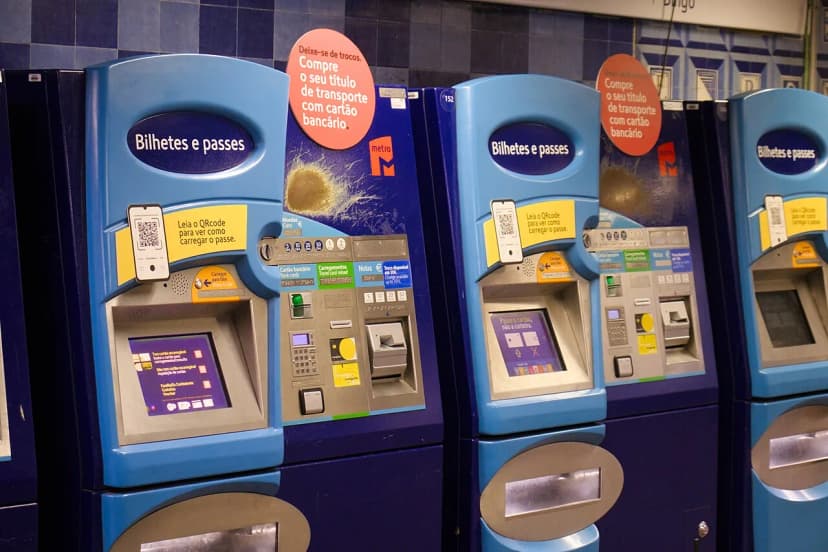
- Station ticket machines: buy an occasional card and load a ticket or zapping.
- Staffed ticket offices: ask for help choosing a product or resolving a card problem.
- Contactless bank card at the Metro gate: pays a separate €1.92 journey without buying or loading a navegante card.
Which Ticket Fits Your Trip
Picking the right ticket for your trip comes down to how many rides you'll take and how many people are traveling with you. None of these options requires advance booking; you can decide once you're at the station.
Zapping credit charges €1.72 per metro journey, staying cheaper than the €7.25 24-hour pass until you make five separate trips.
- Sightseeing day: four separately charged €1.90 singles cost €7.60, so the €7.25 24-hour ticket beats those four singles. Against €1.72 zapping, four journeys cost only €6.88; the day ticket becomes cheaper from the fifth separately charged journey. Included transfers do not count as extra fares.
- Multi-day stay: load zapping credit onto one Navegante card. It costs €1.72 per metro ride, and switching to a bus, tram, or CP train deducts an extra, separate fare each time. Zapping credit doesn't expire within a single trip, though exact validity periods are worth confirming at the machine or ticket office.
- Family or group: each paying traveller needs a separate valid ticket or payment card. Under-4s travel free; older children need an eligible personalised free-travel profile to use the relevant concession, not just an ordinary occasional card. Ask Metro staff before assuming a child can travel without a ticket.
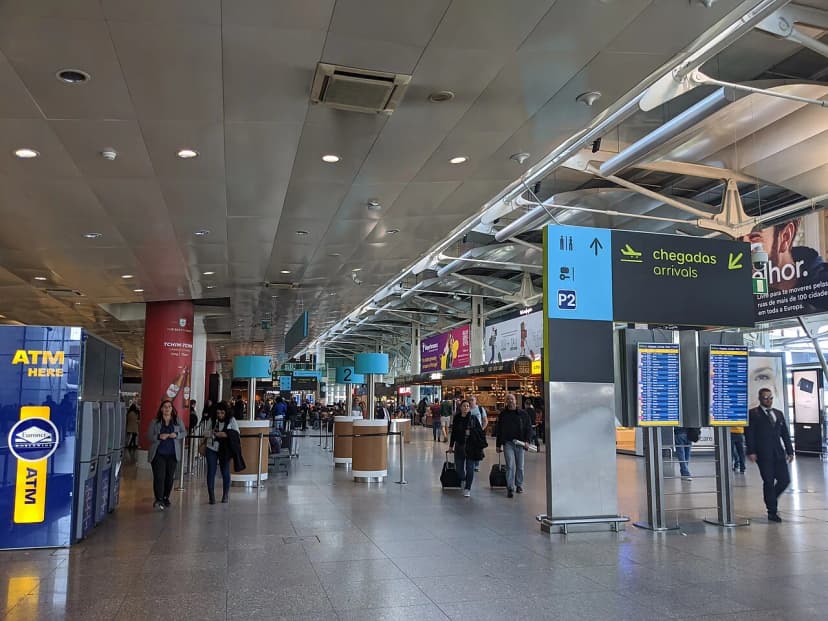
- Airport arrival: the red line stops directly at the airport station. The airport to city centre guide covers exact platforms and luggage logistics for that first ride.
- Weekends and holidays: the same ticket types and prices apply every day of the week, including weekends; only service frequency changes with demand, so check the day's schedule if you're traveling early morning or late at night.
- Comparing city passes: the Lisboa Card comparison lays out when a bundled sightseeing pass beats separate metro tickets.
Validation Rules and Mistakes to Avoid
Every journey starts and ends with a tap. Touch your card or contactless bank card on the reader at entry, wait for the green light, and repeat at exit. That green light confirms the gate has validated your fare. Single and 24-hour tickets differ slightly in their timing. A single €1.90 ticket allows transfers between Carris and Metro for 60 minutes after the first validation. Separately, the operator’s travel rules state that an occasional journey stays valid for up to three hours from entry, provided you haven't yet crossed the exit gates, barring service disruptions. Ticket inspectors carry handheld readers that can check where and when a card was last validated, so an unvalidated tap is easy to catch. Common mistakes are easy to avoid once you know them:
A single €1.90 ticket lasts up to three hours from entry, not just the standard 60-minute transfer window.
- Forgetting to touch out: keep the same card available for the exit gate; if it will not open, use the Help Point for staff assistance.
- Splitting one card across a group: each card or contactless tap covers exactly one passenger per ride; group taps aren't permitted.
- Switching payment cards mid-journey: if you tap in with a contactless bank card, you must tap out with that same card, not a different one or a mobile wallet.
- Boarding after a failed tap: a red light means validation didn't go through, so you can't travel on that attempt; try again or switch payment methods.
- Assuming a return trip is included: a single ticket only covers continuous travel within its 60-minute window, not a there-and-back journey.
Accessibility and Priority Seating
Step-free access differs by station and by line, and can change temporarily for maintenance. Before you travel, check the network map for stations with elevators, and call the Metro's customer line to confirm those lifts are running that day. Escalators exist at many stations even without elevators, but confirm specifics for the stations on your route before you travel, especially with heavy luggage or a wheelchair. Stations also have wide gates reserved for wheelchair users, strollers, large luggage, and children traveling with an adult. Station staff can operate these gates on request through the Help Points at the gates and ticket machines. Onboard, every seat functions as priority seating for pregnant travelers, older passengers, people with small children, and passengers with disabilities. Cyclists can also bring bikes onboard: up to two bicycles per carriage are allowed when trains aren't crowded. Pets can ride too, as long as they stay in a secure carrier that doesn't disturb other passengers.
Continue planning with 7 Lisbon Public Transport Options for Getting Around Without a Car.
Frequently Asked Questions
How much is a single Lisbon metro ticket?
A single Carris/Metro ticket costs €1.90 and covers unlimited transfers between Carris buses, trams and the metro for 60 minutes after your first validation. It cannot be used for two consecutive metro-only journeys, so a return trip needs a fresh ticket or top-up.
What's the difference between a Navegante card and a Viva Viagem card?
Navegante is the current name for the reusable travel card once branded Viva Viagem, according to the operator's own rules page. Older guides and some station signage may still say Viva Viagem, but both refer to the same card. The card itself works identically regardless of which name appears on it or on nearby signage.
Can you pay for the Lisbon metro with a contactless bank card?
Tap a contactless bank card at the gate and each ride costs €1.92, with no ticket purchase needed. Accepted networks include Visa and VPAY, plus Electron and Mastercard. You must tap in and out with the same card, and each card covers only one passenger per ride.
Do children ride the Lisbon metro for free?
Children under 4 travel free. For older children, free travel requires an eligible personalised navegante profile; an occasional card bought from a machine does not automatically qualify. The operator’s current Portuguese FAQ describes the youth free-travel profile. Confirm the application and card requirements before travel.
Is the 24-hour Lisbon metro ticket worth it?
The €7.25 ticket lasts 24 hours from first validation, not just until midnight. It beats four separately charged €1.90 singles (€7.60). If comparing with €1.72 zapping, four journeys cost €6.88 and five €8.60, so the saving begins at five charged journeys. Count any included transfers as part of the same ticket.
How do you top up a Navegante card for zapping credit?
Insert the card into any metro ticket machine and choose the zapping top-up option. You can add between €3 and €40 at a time, and the credit deducts €1.72 per metro journey as you travel.
Which Lisbon metro stations are wheelchair accessible?
Accessibility varies by station and can change with maintenance schedules, so check the operator's network map for current step-free stations before you travel. Calling the Metro's customer line ahead confirms whether lifts are working the day you go. Wide accessible gates and Help Points exist at every station regardless of elevator status, giving station staff a way to assist travelers who need it.
What happens if a contactless payment fails at the gate?
A red light means the tap wasn't accepted, so you cannot pass through that gate on that attempt. Try tapping again, use a different contactless card, or fall back on a Navegante ticket bought at the machine.