Europe Nook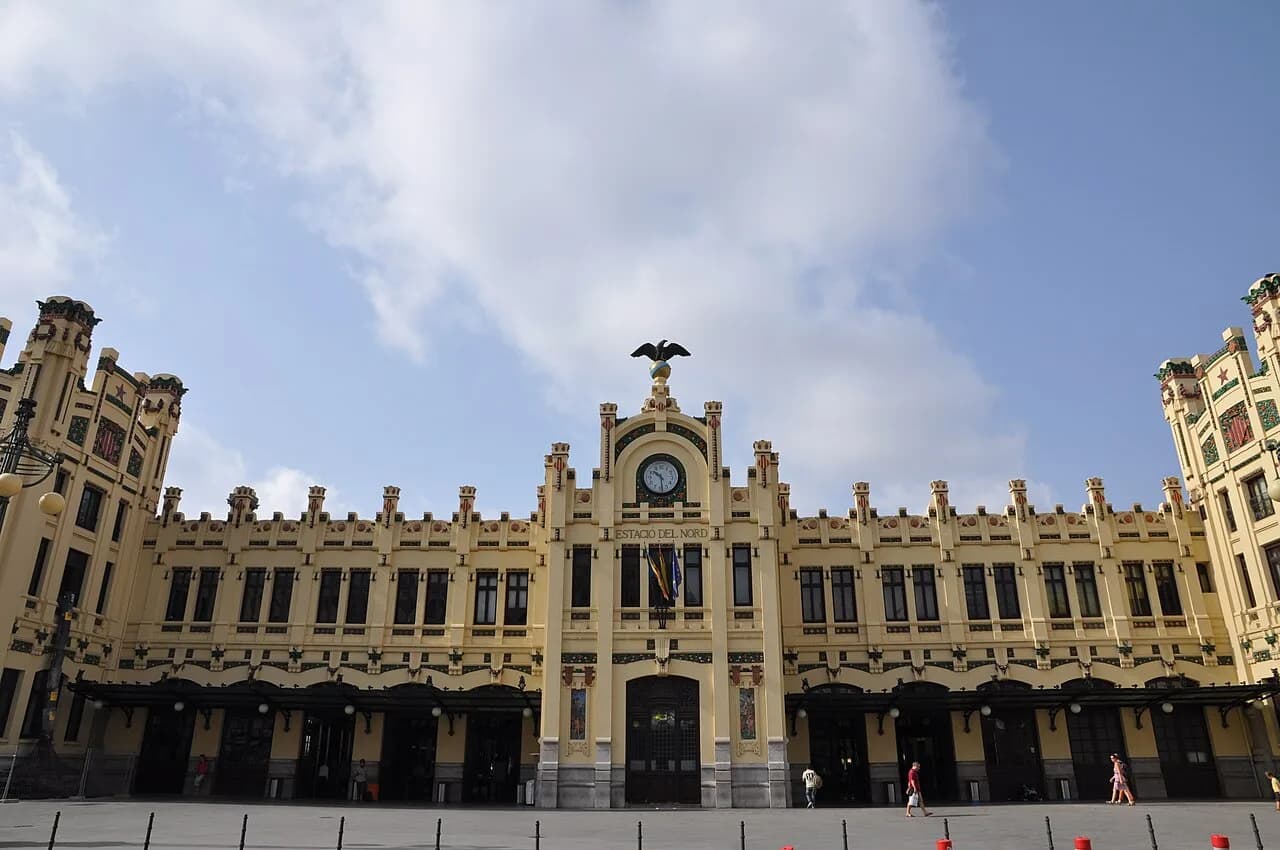
Valencia offers useful rail day trips to castle towns, inland cities and the coast. This guide compares eight destinations by route and last-mile effort. Requena needs particular care: the conventional C3 journey currently includes a replacement bus beyond Buñol, while high-speed trains use an out-of-town station. Check the operational timetable before choosing a date.
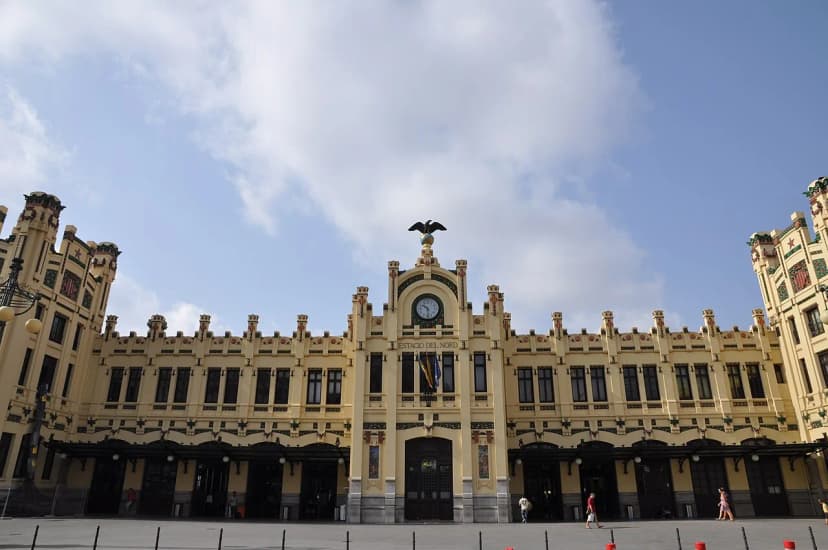
Featured image: Exterior of Valencia Estació del Nord railway station. Onderwijsgek, CC BY-SA 3.0, via Wikimedia Commons. Resized and converted to WebP.
Quick Answer: Best Day Trips From Valencia by Train at a Glance
Ride time and last-mile transfer are the two numbers that matter most when picking a day trip from Valencia by train. The table below compares all eight rail-reachable destinations covered in this guide, so you can match a route to the time you actually have.
| Destination | Line | Ride Time | Station-to-Sight | Best For |
|---|---|---|---|---|
| Xàtiva | Cercanías C2 | Check current timetable; allow roughly an hour as a planning estimate | Walk into town, then a separate steep castle ascent | Full-day history trip |
| Sagunto | Cercanías C6 | Check current departure | Walk to old town/theatre and uphill castle; bus for the coast | Short town visit or longer coast addition |
| Gandia | Cercanías C1 | Check current departure | Walk to centre; separate local bus to beach | Palace or beach day |
| Cullera | Cercanías C1 | Check current departure | Town/beach connection, then separate castle climb | Choose one or two areas |
| Castelló de la Plana | Cercanías C6 or booked Renfe service | Varies by train | Centre on foot or local transit; TRAM trolleybus toward El Grao | Full-day city/coast plan |
| Requena | C3 plus replacement bus, or reserved train to Requena-Utiel | Check complete itinerary | High-speed station requires separately confirmed town transfer | Full day with advance planning |
| Buñol | Cercanías C3 | Check departure station and current plan | Walk through town to castle quarter | Town visit; do not assume through rail to Requena |
| Alicante | Renfe Euromed/other services shown for date | A long rail outing; compare full outbound and return | Walk or local transit into central sights | Full day or overnight |
Valencia's Two Train Stations: Estació del Nord vs. Joaquín Sorolla
Two stations serve these routes, and mixing them up is one of the most common planning mistakes for a Valencia rail day trip.
- Estació del Nord: the usual central starting point for C1, C2 and C6 day trips. Do not assume C3 to Buñol uses the same departure arrangements; check the current C3 plan. Xàtiva metro station is beside Nord, but is not the separate town of Xàtiva.
- Joaquín Sorolla: handles high-speed and selected long-distance services. Match the station printed on the booked ticket, particularly for Alicante, Castelló or Requena-Utiel. The two Valencia terminals are distinct buildings.
Ticket Types and Costs: Cercanías, Media Distancia and High-Speed Fares
For a standard Cercanías single, Renfe says to start travel within two hours of purchase. On an outward-and-return ticket, complete the return the same day. Where using supported bank-card travel, validate with the same card or device at both entry and exit. See Renfe’s ticket conditions; integrated SUMA products follow their own validity rules.
Three ticket types cover the routes in this guide, each suited to a different distance and speed. Exact fares change by distance, train type, and how far ahead you book. Check Renfe's official site for your specific route before travel. For a sense of scale, Valencia's city transit fares are detailed on Visit Valencia's official transport page, summarized in the table below.
| What | Price | Source |
|---|---|---|
| Single bus fare | €2 per journey | Visit Valencia official transport page |
| Single metro fare | €1.50 to €4.80 depending on zone, plus the current charge if a new reusable card is needed | Visit Valencia official transport page |
| Valencia Tourist Card | 24/48/72 hours; Renfe AB only, not every train destination | Visit València product conditions |
- Ticket validity: Renfe’s standard Cercanías single must be started within two hours of purchase; an outward-and-return ticket requires the return the same day. Integrated SUMA products have their own validity rules.
- Media Distancia: a separate reserved or regional product where shown in Renfe’s booking system. Do not label C3 to Buñol as Media Distancia or assume a through regional train to Requena while replacement buses operate.
- Booked long-distance trains: compare the exact departure, station, journey time and fare shown by Renfe. Alicante is marketed with Euromed; a generic AVE label should not be applied to every Mediterranean-corridor train.
8 Best Day Trips From Valencia by Train
These destinations have useful car-free approaches, but they do not all offer a train directly to the attraction. Compare the full journey, including replacement buses, local connections and walking. The route sections below identify the decision that matters at each destination.
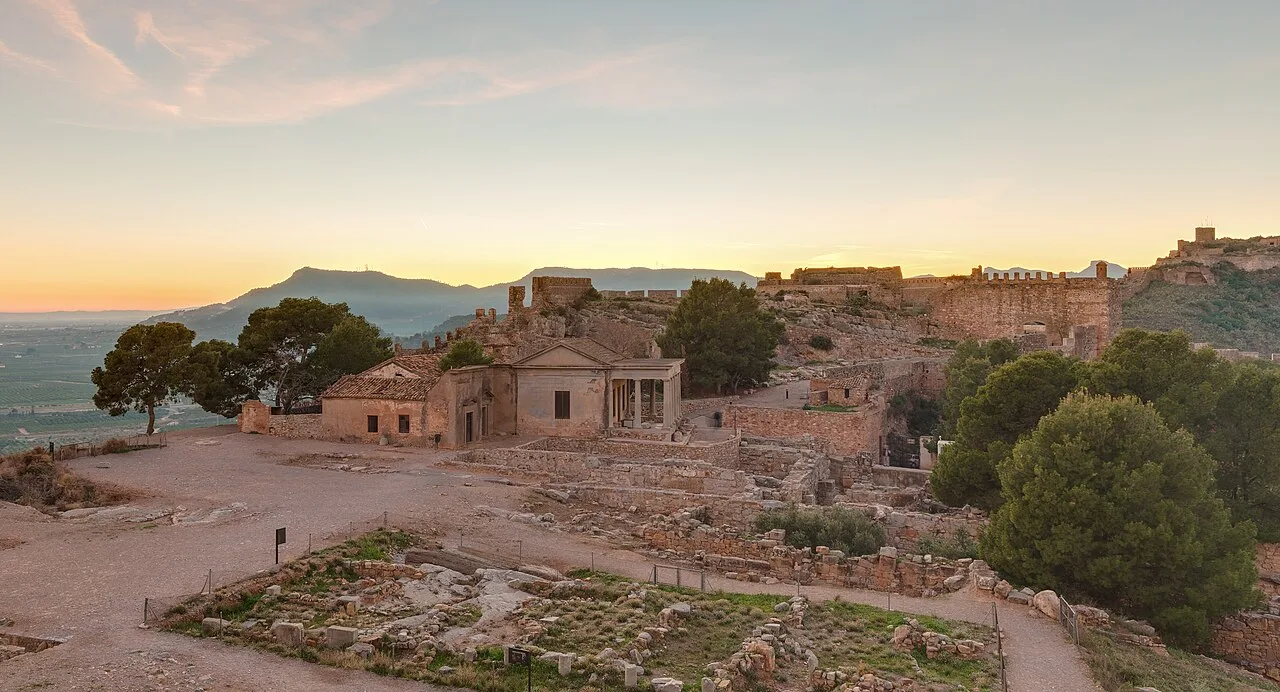
- Xàtiva: take C2 from Nord, then walk into the old town. The castle is a separate steep ascent above it, not merely the short station-to-centre walk. Allow generous time, water and breaks, or confirm a current local transfer. The Xàtiva guide separates the old-town and castle legs.
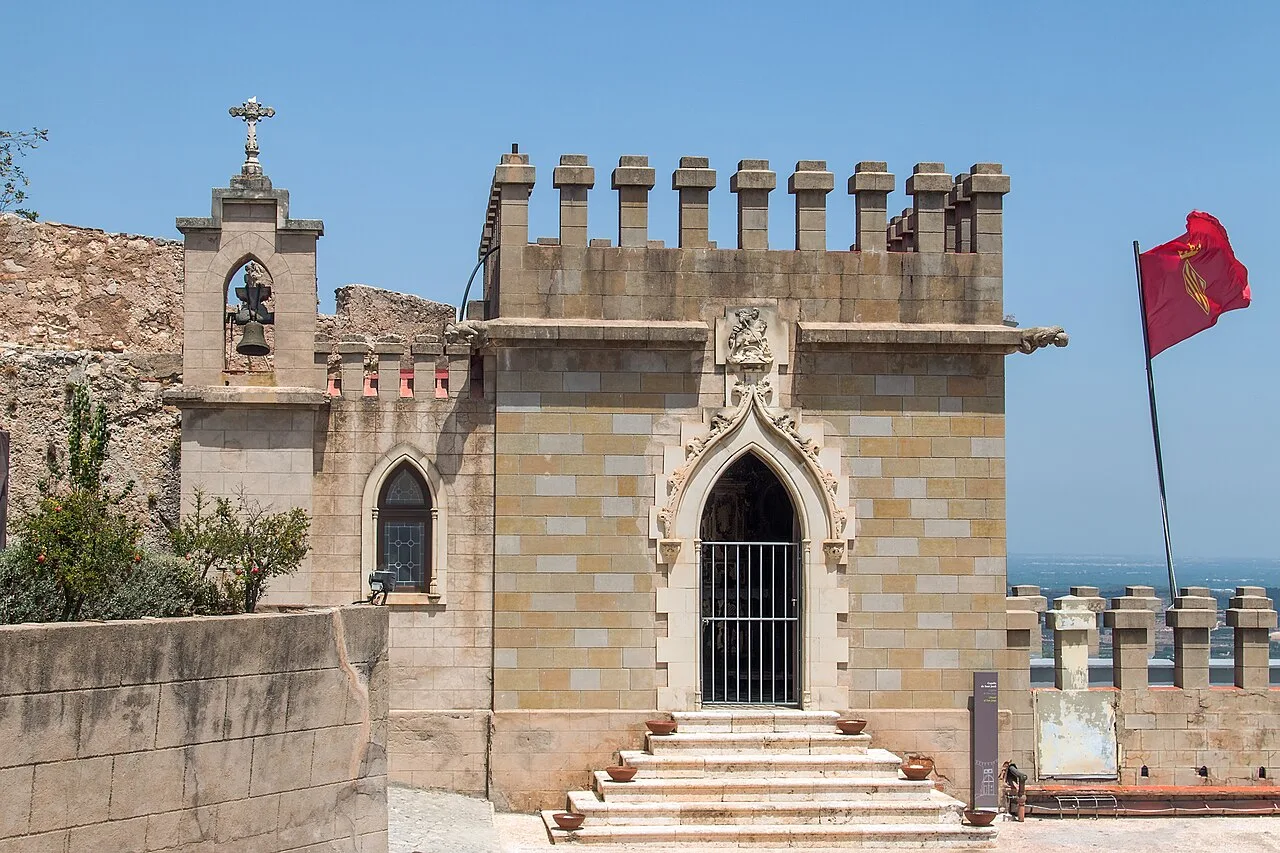
- Sagunto: C6 reaches the inland town, where the theatre and castle can be approached on foot through the old quarter. The final castle leg is uphill. Puerto de Sagunto and the beach are farther away and need a separate bus or taxi plan. Read the Sagunto route guide before combining town and coast.
- Gandia: C1 serves the inland town and its Ducal Palace. The main beach is a separate destination; use the current local bus timetable rather than assuming every train meets a seasonal shuttle. Choose palace/old town, beach, or a longer visit allowing both. The Gandia guide explains the distinction.
- Cullera: C1 reaches a station outside the main beach area. Check the local connection into town or toward the promenade; the castle ascent and lighthouse excursion add further effort. Avoid trying to do every area in a short afternoon. Use the Cullera guide to build a realistic sequence.
- Castelló de la Plana: compare C6 with other Renfe departures for the date. The historic centre and El Grao are separate parts of the city. Castelló’s TRAM is a trolleybus service, not a Metrovalencia rail extension; confirm the local ticket and return connection. See the Castelló guide.
- Requena: the current C3 route uses a train to Buñol followed by replacement road transport. A reserved train to Requena-Utiel is a different option, with a separate transfer from that out-of-town station. Pick the complete itinerary before reserving a cave visit or winery. The Requena guide explains both approaches.
- Buñol: use the current C3 rail service and check the Valencia departure station. Visit the castle quarter on foot, confirming museum opening and local trail notices. It is not automatically an easy add-on to Requena while replacement buses operate beyond Buñol. See the Buñol guide.
- Alicante: Renfe’s route information markets Euromed to Alicante/Alacant Terminal. Compare the actual outbound and return trains and their Valencia stations, rather than assuming one fast time applies. A full day or overnight stay suits the longer journey. The Alicante guide explains station selection and the final walk.
Half-Day vs Full-Day: Choosing by Ride Time
Count travel in both directions, the journey from your accommodation, and the walk or bus after arrival. A short rail ride can still lead to a demanding castle ascent. Gandia and Cullera beach visits need local connections; Requena needs a carefully matched transfer; Alicante takes a substantial portion of a day in transit. If you have only a few hours, choose one compact town activity rather than promising castle, beach and lunch together.
Mistakes to Avoid: Wrong Station, Missed Bus, Underestimating the Climb
A handful of avoidable errors account for most disrupted rail day trips out of Valencia.
- Boarding from the wrong station
- Cercanías and most regional trains leave from Estació del Nord, while high-speed AVE and Euromed services use Joaquín Sorolla.
- Double-check the station printed on your ticket, not just the destination.
- Missing the last local connection: check any beach bus or castle transfer independently of the return train. A railway departure is no help if you cannot get back to its station in time.
- Underestimating hills: the Xàtiva and Sagunto castle visits involve uphill walking beyond their station-to-town legs. Do not assume a 20-minute flat stroll to the gate.
- Ticket validity: Renfe’s standard Cercanías single must be started within two hours of purchase; an outward-and-return ticket requires the return the same day. Integrated SUMA products have their own validity rules.
- Skipping the weekend return-time check
- Some local shuttle and bus connections run less often on weekends than on weekdays.
- Check the return timetable for your specific day of travel, not a weekday schedule you saw earlier.
- Assuming full accessibility without checking
- Step-free access varies by station and by train type.
- Confirm current accessibility details for your specific route with Renfe before booking if you need it.
Non-Train Alternative Worth Knowing: La Albufera by Bus
L’Albufera has no direct passenger railway. EMT 24 serves El Palmar, while 25 continues toward El Perellonet; choose the correct stop for a village, lake viewpoint or southern beach. The Albufera bus guide explains the route and how to plan a return after a boat trip.
El Puig — Royal Monastery and a Quieter Coastal Stop
El Puig is another possible short outing on the northern C6 corridor. C2 runs south of Valencia and is not the line for El Puig. Check Renfe’s current service and the walk from the station before planning a monastery visit.
The main sight is the Real Monasterio de Santa María de El Puig, a historic monastery in the town rather than beside the beach. Allow time for the walk from the station through El Puig, particularly in summer. The town centre, shops, and cafés are the easiest places to combine with a monastery visit.
- Best for: a relaxed half-day focused on local history
- Train line: Cercanías C6, subject to the current timetable.
- Last mile: walk from El Puig station into town; use a local connection or taxi for the coast
Do not confuse El Puig with a beach-only stop. Its coast lies separately from the historic centre, so confirm local transport times before planning both in one short visit.
For trip-planning details, see Metrovalencia.
Plan the first and last city legs with the Valencia transport guide. A day-trip rail ticket does not automatically cover the metro or bus between your accommodation and the departure station.
Sources and current travel checks
Reviewed on 6 October 2026. Route descriptions explain the normal journey or the operator’s published recovery plan; they are not confirmation that a particular departure is running today. Check live service notices, the dated return journey and any local connection before travelling.
Frequently Asked Questions
What is the best day trip from Valencia by train?
Choose by activity and complete journey time. Sagunto suits an old-town/theatre visit; Xàtiva adds a more demanding castle ascent. Requena suits wine history but requires extra transport planning under current C3 arrangements.
Which train station in Valencia do you need for day trips?
Nord is the usual starting point for C1, C2 and C6 outings. For C3 use the current operating plan. For reserved long-distance trains, use the Valencia station printed on your ticket; do not decide from the destination alone.
Can you reach Sagunto, Xàtiva, or Gandia's castle without a car?
Yes, but allow for uphill walking and any local transfer. Xàtiva’s castle climb is separate from the station-to-centre walk. Sagunto’s castle is above the old town, while Gandia’s beach is separate from its palace and central station.
How long does the train from Valencia to Alicante take?
Use Renfe’s current result for the train you intend to book. Alicante is a longer day trip whose practicality depends on both outward and return timings, plus travel to and from the stations.
Is La Albufera reachable by train?
No. EMT 24 serves El Palmar and 25 serves El Perellonet through the Albufera corridor. Check the specific stop and return service for your chosen activity.
Do you need to book train tickets in advance for these day trips?
Cercanías trains generally don't require reservations, so you can buy a ticket and board. Media Distancia and high-speed AVE or Euromed services typically use assigned seating, so booking ahead through Renfe secures your seat and often a better fare.
Plan more car-free journeys from Valencia
Continue with the route and ticket guides that fit your trip.