Europe Nook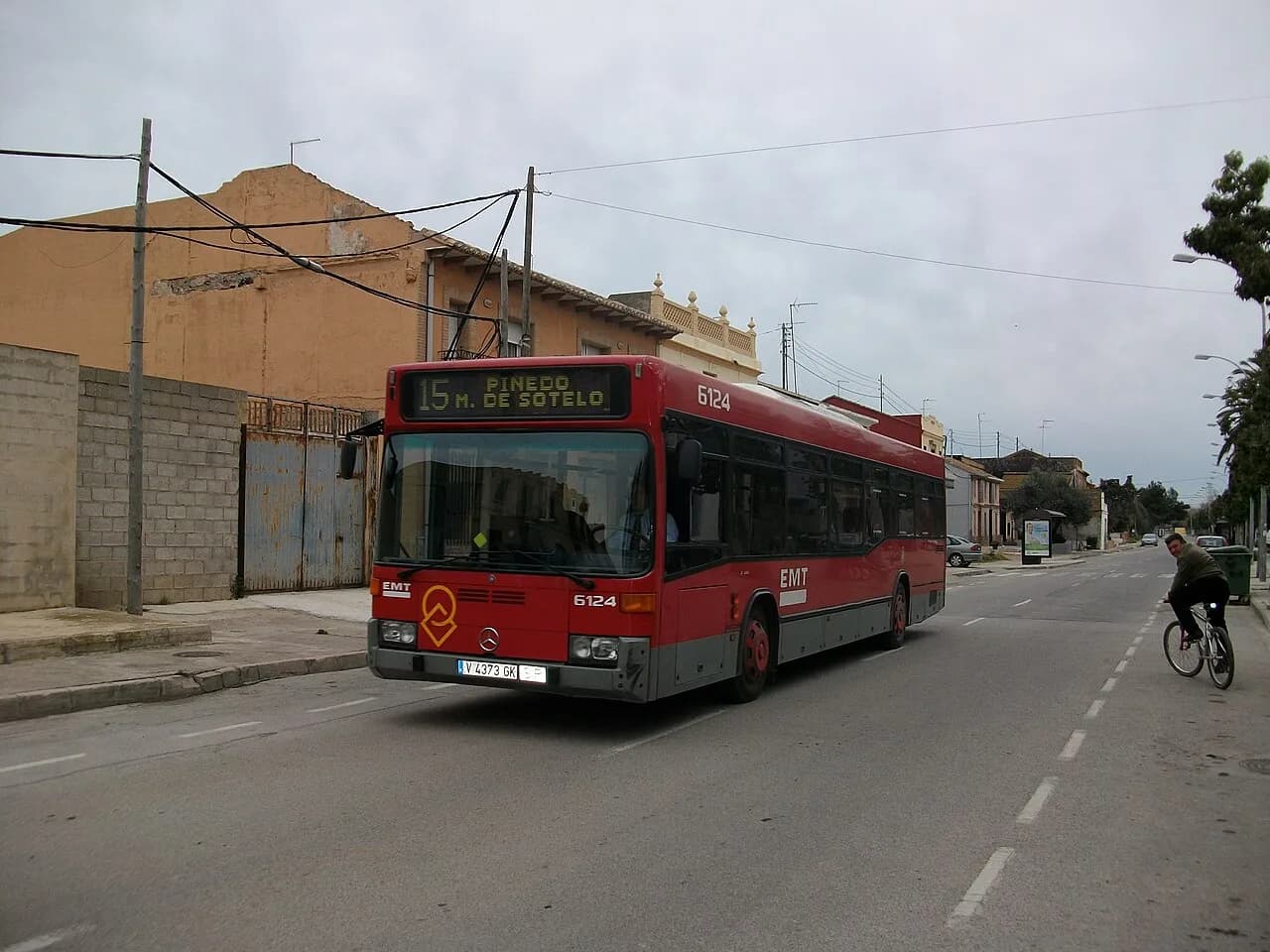
Reviewed October 2026, Valencia public transport covers a metro-tram network, city buses, and commuter trains. Together they reach the historic centre, the beach, and Valencia Airport without a rental car. This guide compares ticket types, maps the airport transfer, and routes you to the beach, then links out to deeper guides for each ticket and stop.
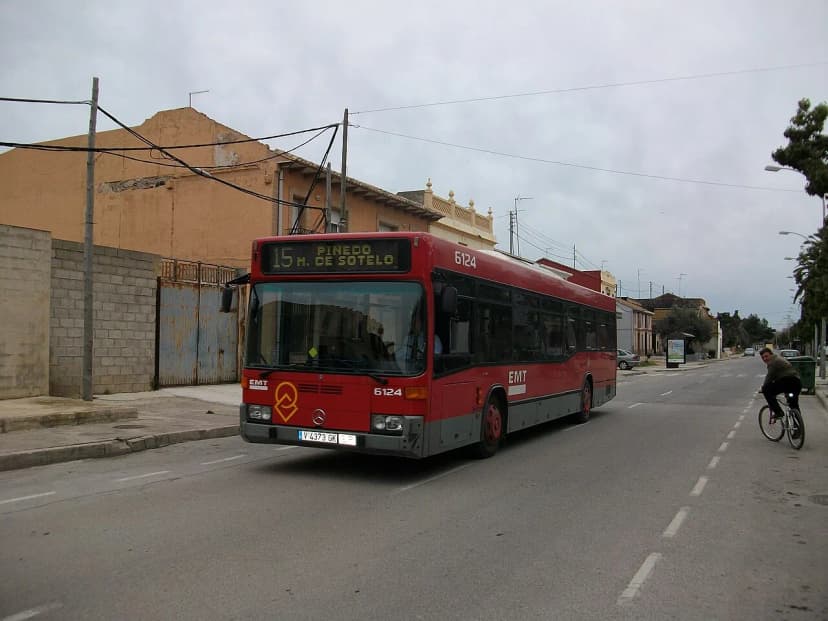
Featured image: An EMT city bus in Valencia. Linea14, CC BY-SA 3.0, via Wikimedia Commons. Resized and converted to WebP.
Quick Answer: Valencia Public Transport Without a Car
Metro and tram provide useful rail corridors, while EMT buses reach neighbourhoods away from the tracks. Intercity coaches use the bus terminal, a separate facility from city stops. Choose by your actual starting point, interchange and destination; the historic core often suits walking. A bus is not automatically cheaper than an integrated metro journey, especially with a multi-trip product.
6 Ways to Get Around Valencia: Metro, Tram, Bus, and More
Valencia's transport network breaks down into six practical options for visitors without a car. Visit València's transport overview lists 60 bus lines, 6 metro lines, and 4 tram lines citywide, plus about 180 metropolitan routes reaching nearby towns.
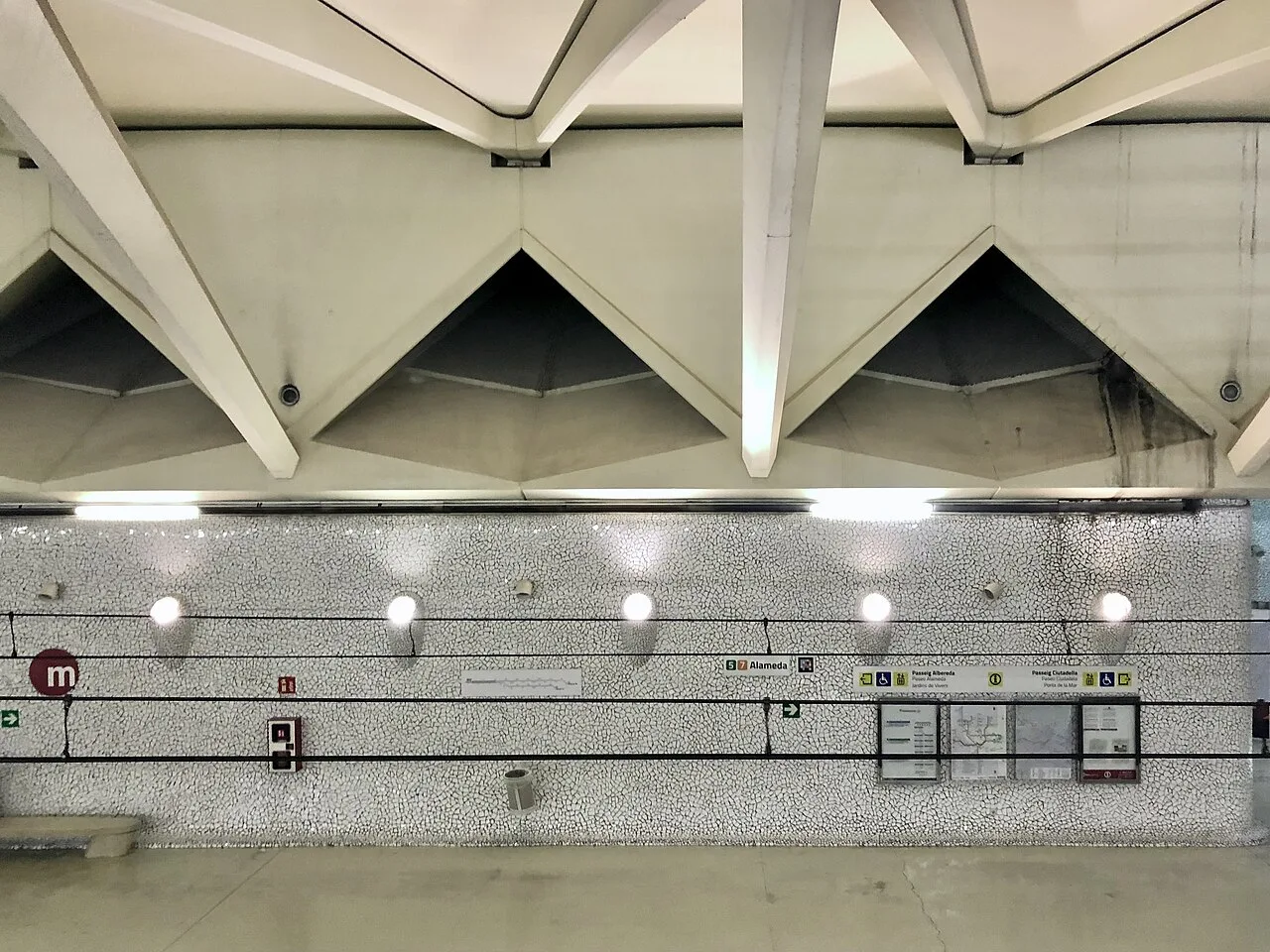
- Metro: lines 3 and 5 connect the airport with central Valencia. Xàtiva, beside Nord, and Colón are useful central stops. Choose the service and zone combination for your actual journey, using the current timetable rather than a blanket ten-minute frequency.
- Tram: lines 4 and 6 serve the northern coastal corridor, line 8 connects Marítim with Neptú, and line 10 serves the City of Arts and Sciences/Natzaret corridor. These routes have different interchanges; line 10 does not take you directly to the beach or cruise berth.
- EMT bus: the operator’s single fare is €2. Frequency and operating hours depend on the route; check the current stop display or app. Compare integrated SUMA if you will change between buses and rail, rather than buying unrelated singles for every leg.
- Metrobus (Metropolitan Bus)
- Yellow Metrobus routes link Valencia to outlying towns such as El Puig, Port Saplaya, and Sagunto.
- Line 150 is the main airport connection, while other Metrobus numbers serve shopping centres and residential suburbs outside the city.
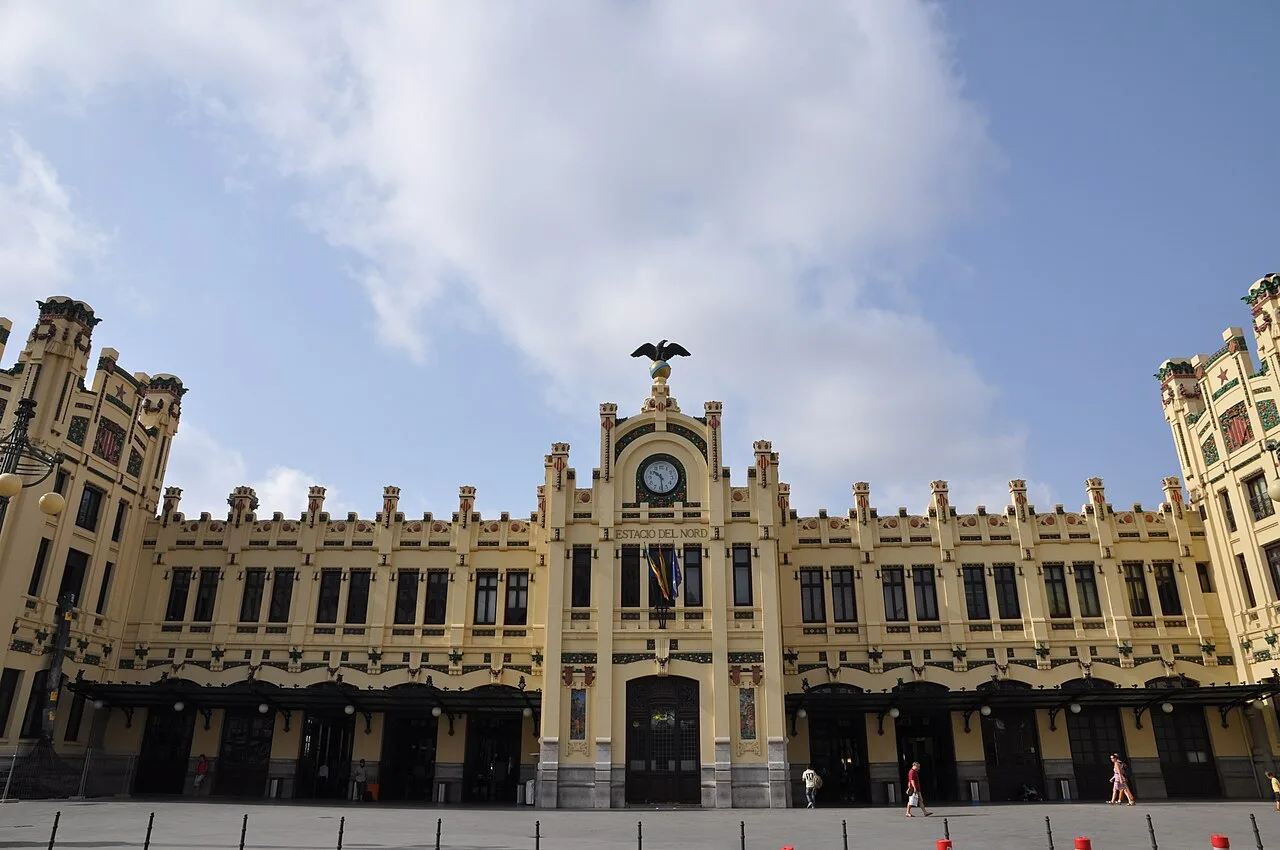
- Cercanías: C1, C2 and C6 serve useful day-trip corridors from Nord. For C3 to Buñol and onward toward Requena/Utiel, check the current recovery plan: buses replace the section beyond Buñol. The Tourist Card covers Renfe only within AB. Use the station guide and day-trip comparison before choosing a route.
- Walking and Cycling
- Valencia's flat terrain and compact centre make many historic-core routes walkable in under 30 minutes.
- For a self-paced route through the old town, follow this self-guided walking tour.
- Bike lanes also run along much of the former riverbed park, an option worth considering for longer cross-city trips.
Ticket and Card Options Compared: Single Tickets, Metro Card, or Tourist Card
Compare the actual product, not just the card carrying it. A single is for an individual journey; SUMA 10 is a ten-journey integrated ticket within purchased zones; SUMA T/T+ offers timed unlimited travel; the Tourist Card adds visitor benefits. The card support may have its own initial fee but can be reused for eligible reloads. Airport inclusion must be explicit, and Tourist Card Renfe coverage stops at AB. See the metro guide, SUMA comparison and EMT guide.
| Ticket type | Price | Best for |
|---|---|---|
| Single bus ticket | €2 per journey | One or two bus rides a day |
| Metro/tram single | Current selected-zone fare plus support if needed | Occasional rail journeys |
| SUMA 10 | Ten integrated journeys in purchased zones; check current selling price | Mixed-mode local travel |
| Tourist Card | Current 24/48/72-hour price | Eligible transport plus visitor benefits actually used |
Valencia Airport to the City Centre: Metro vs Metrobus 150
Metro lines 3 and 5 and Metrobús 150 connect the airport with the city using different routes. Aena now lists €4.80 for the Valencia–airport bus fare, so do not assume it is the old €1.45 option or a €2 EMT ride. Check the metro fare and airport-valid SUMA products too. Use the airport guide for the complete arrival plan and the cruise-port guide for the separate final berth connection.
| Option | Time | Frequency |
|---|---|---|
| Metro 3/5 | Check schedule to your central stop | Waiting and station access add time |
| Metrobús 150 | Check current operator timetable | Road traffic and intermediate stops affect duration |
Getting to the Beach and the City of Arts and Sciences
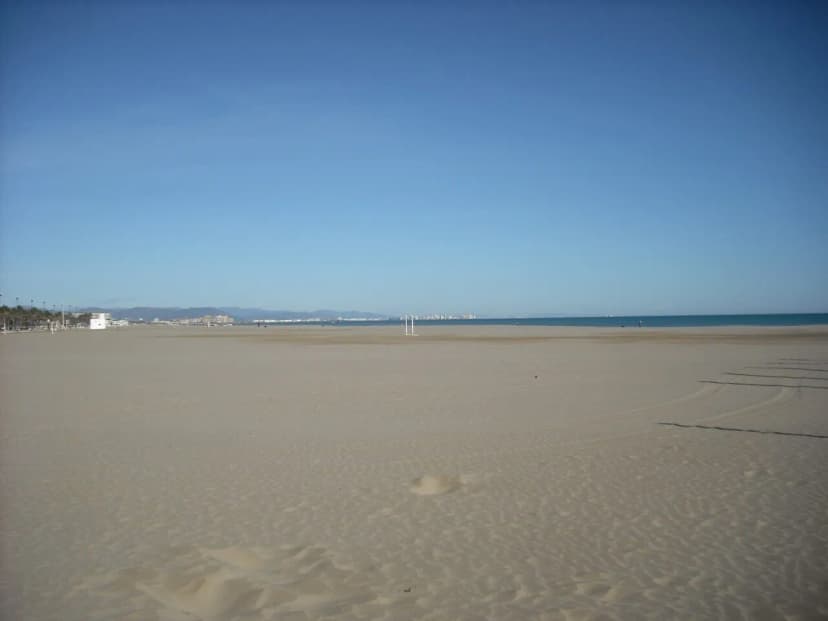
Use line 10 for the City of Arts and Sciences/Natzaret corridor. For the beaches, use a suitable EMT bus or the coastal tram network, often with an interchange at Marítim. Plan those as separate destinations rather than assuming the same tram takes you directly from the complex onto the sand. The beach guide explains the route choices.
Bus Routes Worth Knowing for Sightseeing
Line 95 is Visit València's own recommended sightseeing corridor, running along the former Turia riverbed. It links Bioparc, the Turia Garden, the Museum of Fine Arts, the Serranos Towers, and the City of Arts and Sciences. Because bus numbering can change between planning updates, confirm the current route and stops on the EMT app before relying on it for a full day out. Several other lines reach the same landmarks from different starting points, so check the destination-to-route detail in the ticket and card section above if line 95 does not suit your starting stop.
Operating Hours and Night Service
Operating hours vary by route, direction and date. Check the actual last departure and any connecting service before a late meal or beach visit. A network-wide closing window does not guarantee a train or bus from your particular stop. Night services and event extensions can differ from normal daytime patterns, so use the current operator planner.
Maps and Official Apps
Use Metrovalencia’s current map and service notices alongside EMT’s live stop information. Save useful maps before arrival, but remember that live departures and disruption notices require a working connection. Downloading an app does not make real-time service data available offline.
Common Mistakes to Avoid
A few planning mistakes account for most of the extra cost and confusion visitors run into on Valencia's network.
- Buying another card unnecessarily: keep an eligible reusable support and reload it. Its initial charge is not a surcharge on each ride.
- Assuming bus and metro fares match
- EMT buses charge a flat €2 per journey.
- Metro and tram fares vary by zone instead, up to €4.80 for the airport zone.
- Assuming one last-service time covers the city: check your route, direction and interchange for the actual date.
- Skipping the tourist card break-even math
- The Valencia Tourist Card only pays off once your trip count and duration clear its ticket price.
- Check the linked card comparison guide before buying one on arrival rather than assuming it always saves money.
For travel beyond the city, compare Valencia’s day-trip routes before buying a pass: regional destinations can require additional zones, separate tickets or a replacement bus.
Sources and current travel checks
Reviewed on 6 October 2026. Route descriptions explain the normal journey or the operator’s published recovery plan; they are not confirmation that a particular departure is running today. Check live service notices, the dated return journey and any local connection before travelling.
Frequently Asked Questions
Is the Valencia Tourist Card worth it for public transport alone?
Compare its current price and the attractions you plan to use with SUMA 10 and SUMA T/T+. Frequent transport use alone does not guarantee the Tourist Card is cheapest. Airport inclusion and Renfe AB limits also matter.
How do you get from Valencia airport to the city centre by public transport?
Metro lines 3 and 5 connect Aeroport with central stops. Metrobús 150 is another route, but its airport fare differs from ordinary EMT tickets. Compare the complete current journey and ticket cost for your address.
What is the fastest way to reach the beach from central Valencia?
Tram lines 4 and 6 run directly to Malvarrosa and the wider beach district. Tram line 10 instead heads to the City of Arts and Sciences, which sits closer to the marina than the main beach strip. Check which stop is closest to your planned destination before boarding.
Do you need a physical card for single metro or bus tickets in Valencia?
Metro and tram single tickets require a reloadable physical card, which carries its own one-off fee on top of the per-zone fare. EMT buses accept single-journey payment on board without needing that card. If you plan to use the metro more than once, keep the same card rather than buying a new one each time.
Does Valencia public transport run all night?
Do not assume round-the-clock coverage for a particular journey. Check the stop-specific late timetable and any connecting line; event or weekend extensions are not a guarantee for every night.
Plan more car-free journeys from Valencia
Continue with the route and ticket guides that fit your trip.
Practical guides
- Valencia Airport to City Centre: Metro, Bus, Taxi & Transfer Compared
- Valencia Metro Tickets: Prices, Types & Which One to Buy
- SUMA Card vs Valencia Tourist Card: Which Should You Buy in 2026?
- Valencia Tram to the Beach
- Valencia Bus Tickets 2026
- Valencia Bus Station: Location, Airport Connections & Getting Around
- Valencia Train Station Guide
- Valencia Self-Guided Walking Tour
- Valencia Airport to Cruise Port: Fastest and Cheapest Ways to Get There