Europe Nook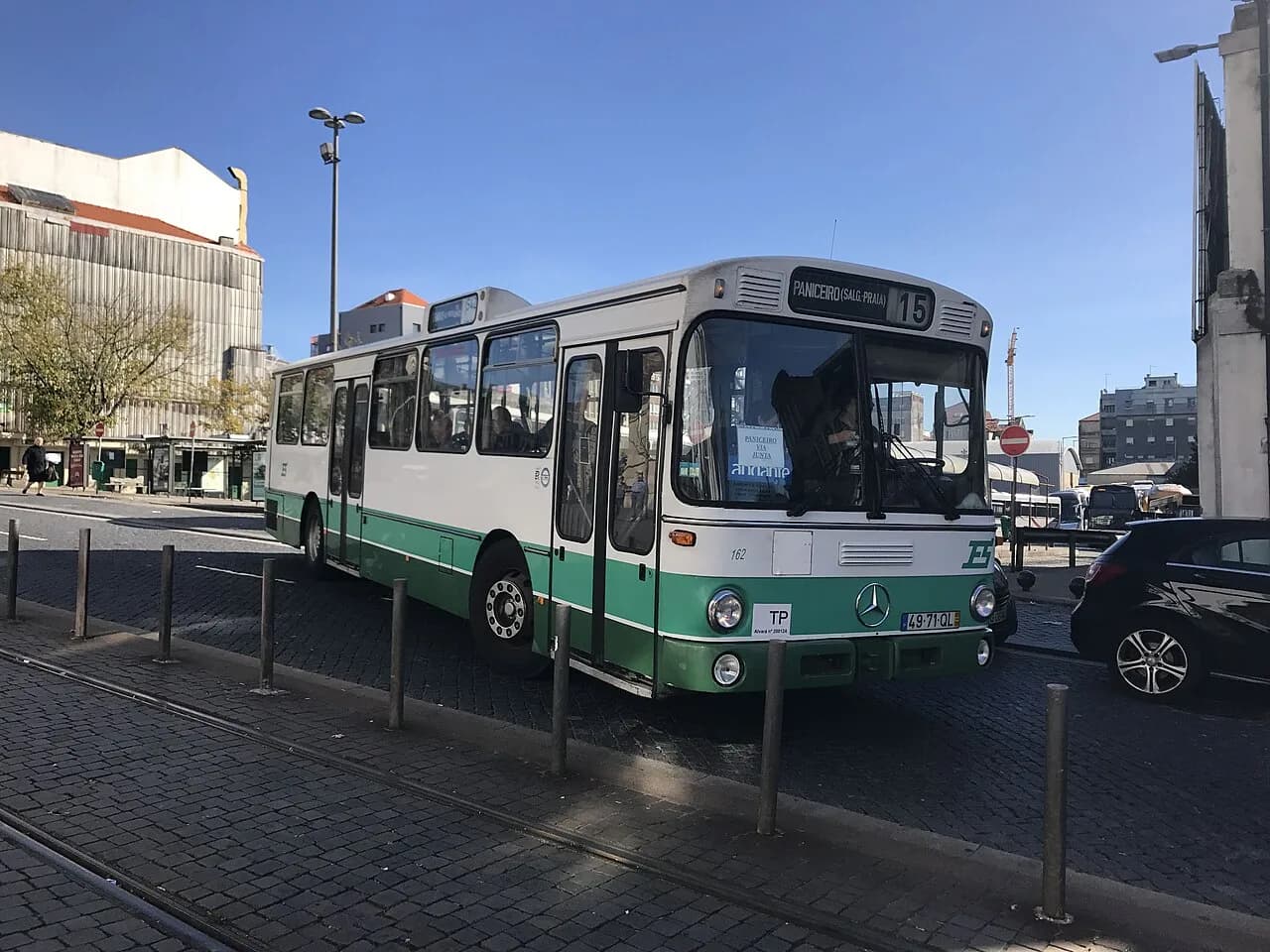
Last updated September 2026, this Porto bus station guide focuses on Terminal Intermodal de Campanhã, usually shortened to TIC. It is Porto's major coach interchange, with links to Campanhã rail and metro stations. Check the exact stop on your ticket: other terminals still exist, and a city-bus stop is not necessarily your long-distance coach departure point. For a practical excursion using the coach network, see the terminal and return-planning details in our Porto to Amarante bus guide.
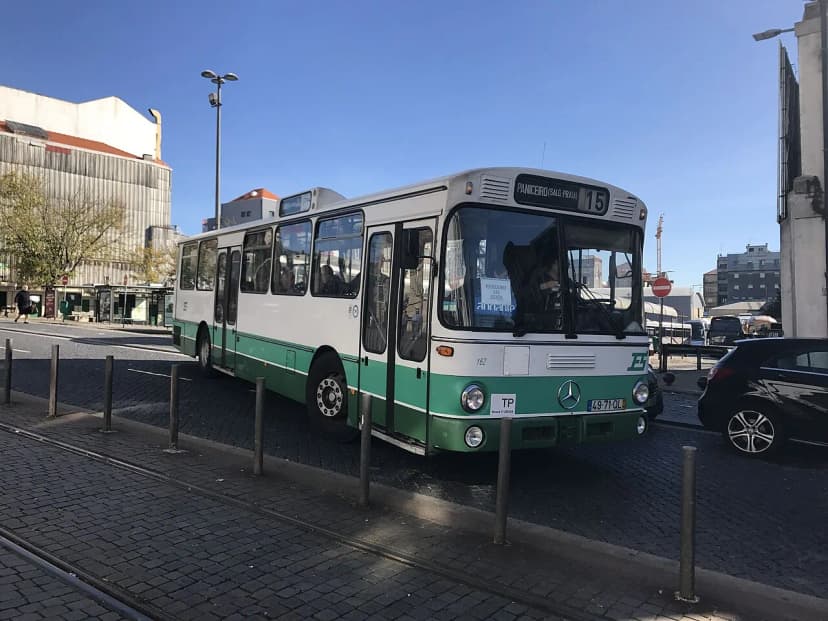
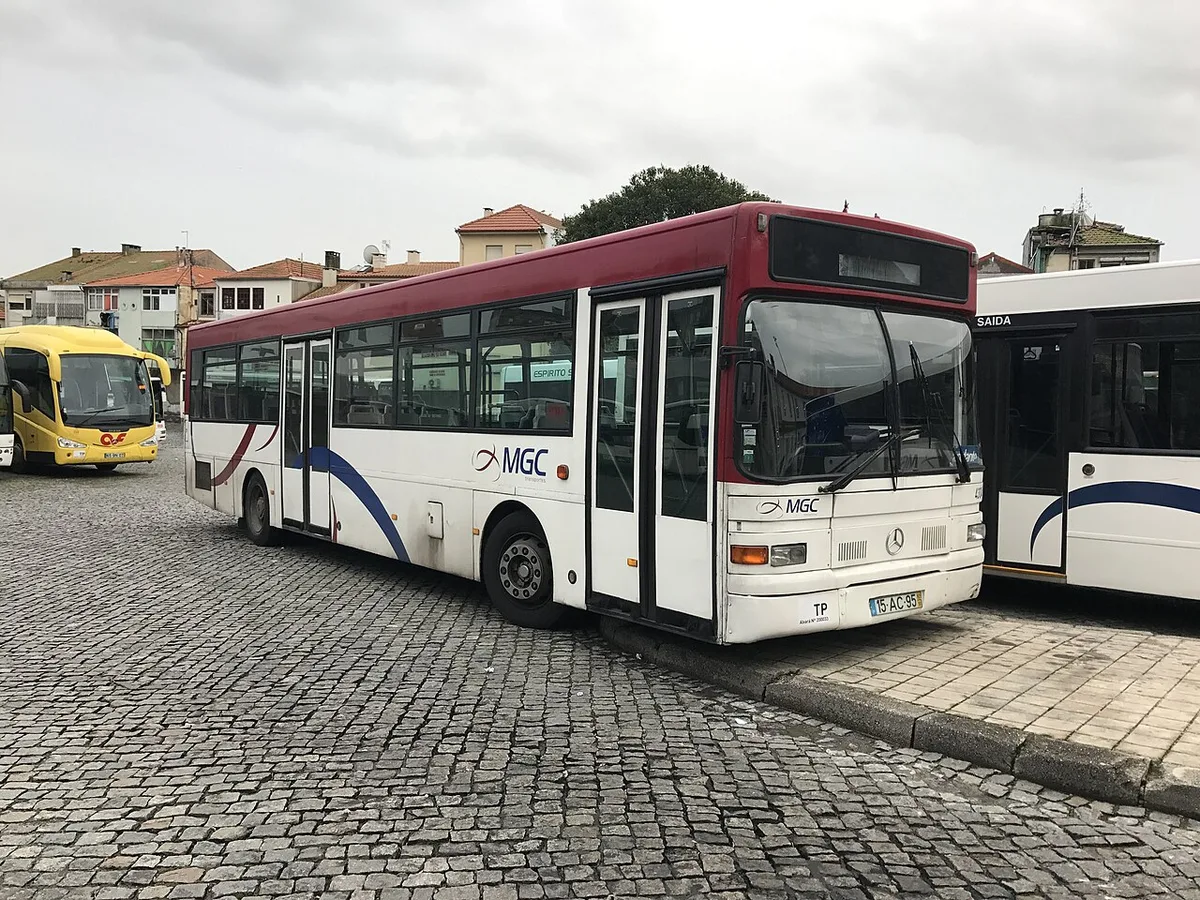
Featured image: a Porto-area local bus, not a photograph of TIC coach bays. Photo: -wuppertaler, CC BY-SA 4.0, via Wikimedia Commons. Resized and converted to WebP.
Porto Bus Station at a Glance
The name is official, not provisional: STCP Serviços lists Terminal Intermodal de Campanhã on Rua de Bonjóia. Its operator directory includes Rede Expressos, FlixBus, Internorte, Autna and others. That does not mean every departure sold under those brands uses this terminal. FlixBus's Porto stop page specifically identifies Porto (TIC–Campanhã), Rua de Bonjóia 691, with boarding on floor 0 and the platform shown on monitors. It also tells passengers that the ticket carries the latest address. Use that ticket-level information before setting off. If an itinerary lists a different Porto stop, do not substitute Campanhã just because it is the largest interchange. Save the boarding address and booking reference so they remain available without a mobile connection.
Which Bus Station Do You Need?
Porto has several transport facilities with different roles. The terminal manager's directory identifies the places below; it is not a route-by-route guarantee of which company departs from each one. Compare your booking's full stop name and street with the map, especially when changing between operators. A route number, a transport brand and a terminal name are three different pieces of information. Check all three if travelling on a suburban service. Do not infer a coach departure from the location of the nearest metro station. The rail-station guide also helps distinguish Campanhã's train platforms from the coach terminal.
| Official terminal name | Location | What to check |
|---|---|---|
| Terminal Intermodal de Campanhã (TIC) | Rua de Bonjóia | Exact coach service and floor-0 boarding platform |
| Terminal Parque das Camélias | Rua de Augusto Rosa | Whether this specific terminal is on your ticket |
| Terminal do Bom Sucesso | Largo de Ferreira Lapa | Full stop name rather than a generic Boavista-area label |
| Polo Intermodal da Asprela Hospital S. João | Alameda Prof. Hernâni Monteiro | Correct bus bay and onward metro entrance |
Getting Between Campanhã and the City Centre
For São Bento, follow signs from TIC to the CP railway station and check a direct urban train. CP's current Aveiro-line timetable gives examples of roughly four to five minutes between the rail stations. That excludes the walk from the coach bay, waiting and any ticket purchase. For a hotel nearer Bolhão or another metro stop, compare the metro route instead; Aliados and São Bento are on Line D and normally involve a change at Trindade from Campanhã. The 12–13 September metro works notice changes that option: Campo 24 de Agosto–Senhora da Hora closes from 22:00 Saturday to noon Sunday. Replacement buses run on a scheduled ten-minute interval, with validation inside metro stations, not aboard those buses. Check the public transport overview for the wider choice. Walking to the centre is possible, but assess the exact street route and your luggage rather than relying on a universal two-kilometre, twenty-five-minute promise.
| Option | Best use | Cost and timing principle |
|---|---|---|
| CP urban train to São Bento | Historic-centre arrival | Short onboard ride, plus terminal walk and wait; buy valid local travel unless separately entitled |
| Metro | A destination near a metro stop | Choose the correct zones and check transfers or works |
| Taxi or app-booked car | A direct hotel transfer with bags | Meter or current app quote; traffic and pickup access affect the trip |
| Walking | Light luggage and time to explore | No fare; hills, weather and the actual route matter |
Tickets, Payment, and Costs
Your long-distance coach ticket is separate from onward local transport. Buy the coach journey for its actual date, route and stop, and check the carrier's baggage and change conditions. An Andante card is not a general balance that pays for any coach leaving Porto. For local travel, Andante's current Blue fares start at €1.40 for Z2, with a €0.60 card if needed; select the required zones for your journey. The zone guide explains the distinction. An STCP onboard city-bus ticket costs €2.50 and covers that bus journey, not a metro transfer. The limited bank-card intermodal pilot is another product, not the same as all onboard contactless purchases. See the ticket guide before relying on it. A coach arrival alone does not qualify you for CP's included Campanhã–São Bento connection; that benefit belongs to eligible CP rail tickets under their conditions. Current Porto Card purchase availability remains unconfirmed in our checks, so it is not necessary to make your arrival plan depend on one.
Finding the Bay and Allowing Enough Time
The terminal's official FAQ recommends arriving 20–30 minutes before the coach and says the boarding platform appears about 15 minutes before departure. Treat your carrier's earlier requirement as controlling if it asks for more time. That terminal-arrival allowance is additional to your journey there, not a complete airport-to-coach connection window. Floor 0 contains the boarding bays; floor 1 has the main passenger services. Follow the signed pedestrian route to rail or metro, using the underpass or the marked exterior alternative. Look for the service number and departure time as well as the displayed final destination, which may differ from your intermediate stop. Do not wander between parked coaches looking for a familiar destination name. If the bay changes or a late service disappears from the board, ask staff or check the carrier's live information.
Opening Hours, Luggage and Accessibility
TIC operates around the clock, but its services have separate hours. The terminal manager lists ticket sales on floor 1 from 07:00–21:00, a 24-hour waiting room and free toilets. Its main page lists an information-desk schedule that differs from the FAQ, so confirm staff availability if arriving outside ordinary daytime hours. Free luggage lockers are on floor 1; the current FAQ gives a 48-hour storage limit. An older linked regulation shows a different limit, so check the posted conditions and eligibility before leaving bags, and do not assume a locker will be free when you arrive. These are TIC facilities, distinct from CP's railway-station lockers. The manager lists lifts, tactile paving and accessible toilets, but assistance on the coach depends on the carrier and vehicle. Arrange any boarding help with the operator before travel. Keep medication, valuables and the ticket you need with you, rather than inside stored or hold luggage.
Airport and Rail Connections: Keep the Whole Journey in View
From the airport, check the Line E destination and any transfer needed for Campanhã; do not assume every train runs through. The airport transfer guide includes the current metro-works caveat. Allow for landing, border formalities where relevant, baggage collection, the station walk and the final approach to the coach bay. A published metro ride time cannot predict when you will be ready to board a coach. From São Bento, a CP urban connection to Campanhã is usually the straightforward rail approach, followed by the signed route to TIC. If arriving by mainline train, the coach is still a separate boarding point within the wider interchange. With separate bookings, leave a margin you can realistically absorb; do not assume the second operator will wait for a delayed first service.
Mistakes to Avoid and Planning After Arrival
A station transfer is easiest when you settle the practical questions before adding sightseeing. The walking guide can help plan time in the centre after dropping your bags. Heritage trams are a separate city outing, not a service from the TIC bays. The Guindais funicular is currently marked closed by its operator, so do not rely on it for a hillside luggage shortcut.
- Use the full terminal or stop address on your ticket, not simply 'Porto bus station'.
- Budget the walk between the coach bay and rail or metro platforms separately from onboard travel time.
- Do not assume a coach ticket includes a CP connection, or that Andante pays for a long-distance coach.
- Check boarding assistance and luggage rules with the carrier before the travel day.
- Buy or save your ticket before an overnight arrival; a 24-hour terminal does not mean 24-hour staffed sales.
- Check current metro and bus notices before choosing an onward route, especially during the 12–13 September works and event changes.
Frequently Asked Questions
What is Porto's main coach terminal called?
Terminal Intermodal de Campanhã, abbreviated TIC. It is on Rua de Bonjóia and connects with Campanhã rail and metro stations. Always use the exact boarding address on your ticket because other Porto terminals and stops exist.
Is the Porto bus station the same as the train station?
No. TIC coach bays, CP railway platforms and the metro station are separate parts of the Campanhã interchange. Follow the signed pedestrian connections and allow walking time between them.
How do you get from TIC to central Porto?
For São Bento, use a suitable CP urban train after walking to the railway platforms. The metro may suit other central stops better. Check current works, buy the correct ticket and include the terminal walk and waiting time.
Does a coach ticket include the train to São Bento?
Not automatically. A coach booking is separate from CP and metro travel. CP's included urban-connection benefit applies to qualifying CP rail tickets, not to passengers simply arriving at the coach terminal.
Is Campanhã coach terminal open overnight?
The terminal and waiting room operate 24 hours, but ticket counters, shops and staffed services have their own schedules. Save your ticket and check onward night transport before arrival.
Can you leave luggage at TIC?
The manager lists free floor-1 lockers with 24-hour access. Its current FAQ gives a 48-hour limit; verify posted conditions, eligibility and availability on arrival. Do not confuse these with the railway station's separate lockers.